
2026-09-27 6 min read
Vastu Paintings for Home: What to Hang, Where, and What to Avoid
The art on your walls does more than fill empty space — it sets the emotional temperature of a room. Here is how to choose Vastu-compliant paintings: what to hang in each direction and room, and what traditional guidance says to avoid.
01A 60-second Vastu primer for wall art
Vastu Shastra works with the Pancha Bhoota — the five elements — and assigns each a direction. The core idea is simple: match an artwork’s element and mood to the energy traditionally associated with that direction.
02The five elements and their directions
| Direction | Element | Traditionally associated with |
|---|---|---|
| North-East (Ishan) | Water | Clarity, new opportunities |
| South-East (Agneya) | Fire | Energy, vitality |
| South-West (Nairutya) | Earth | Stability, relationships |
| North-West (Vayavya) | Air | Movement, communication |
| Centre (Brahmasthan) | Space | Balance, openness |
03East and the living room — sunrises and open landscapes
The east is the direction of the rising sun, traditionally tied to new beginnings and optimism. A sunrise painting on an east-facing wall, or in the living room, is one of the most universally recommended choices in Vastu art. Open morning landscapes do the same — they make a room feel like the day is starting well. It also helps to know that the north is traditionally linked with Kubera, guardian of wealth; flowing, abundant imagery suits northern walls. None of this is a magic formula — supportive imagery in the right place simply helps a home feel right.
04South-west — mountains and earthy scenes
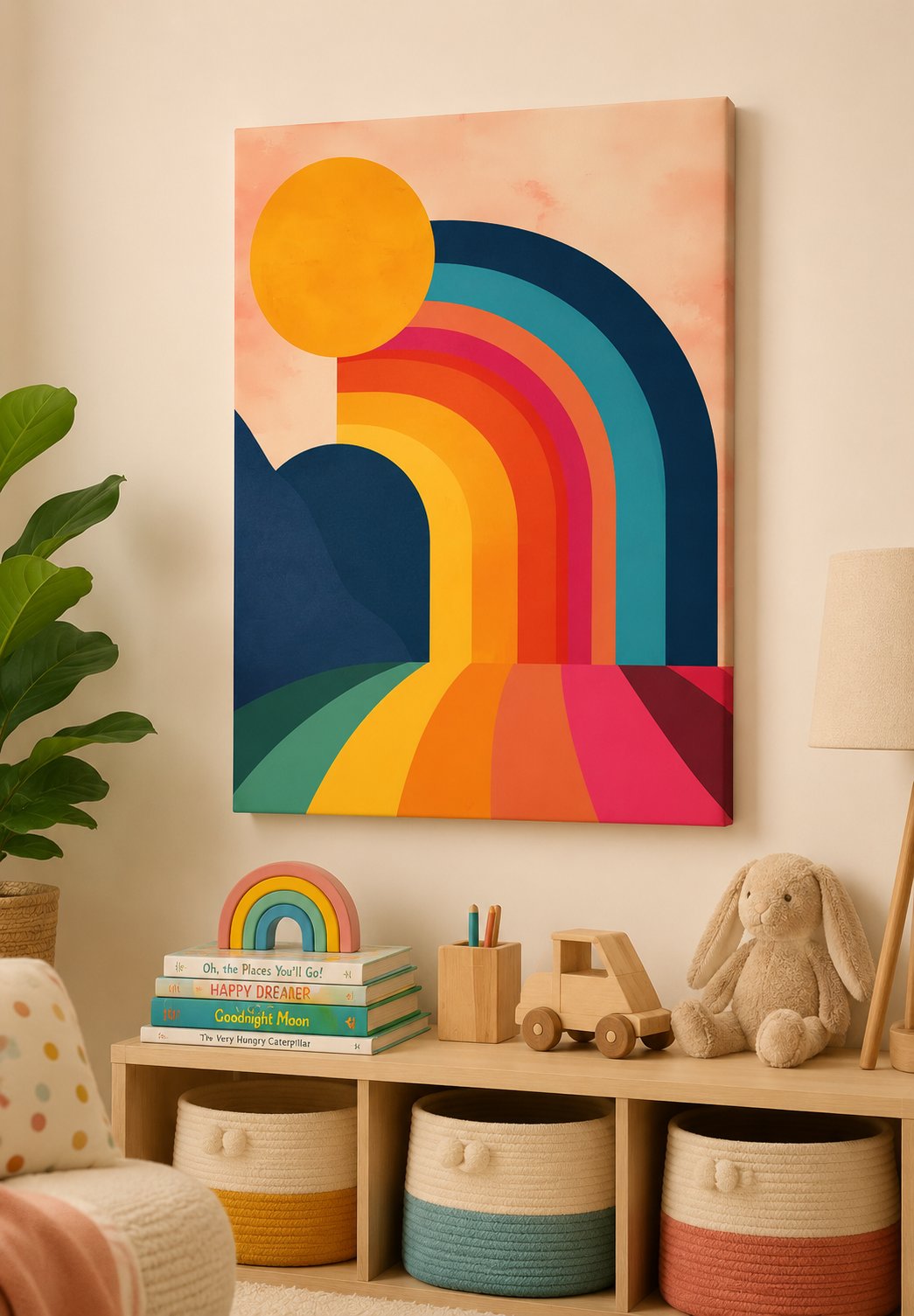
The south-west is the earth zone, associated with stability and grounded relationships. Traditional guidance favours solid, weighty imagery here: mountain ranges, rolling hills, and landscapes in warm earthy tones. These suit a master-bedroom wall or a large living-room wall that needs visual anchoring.
05North-east — flowing water
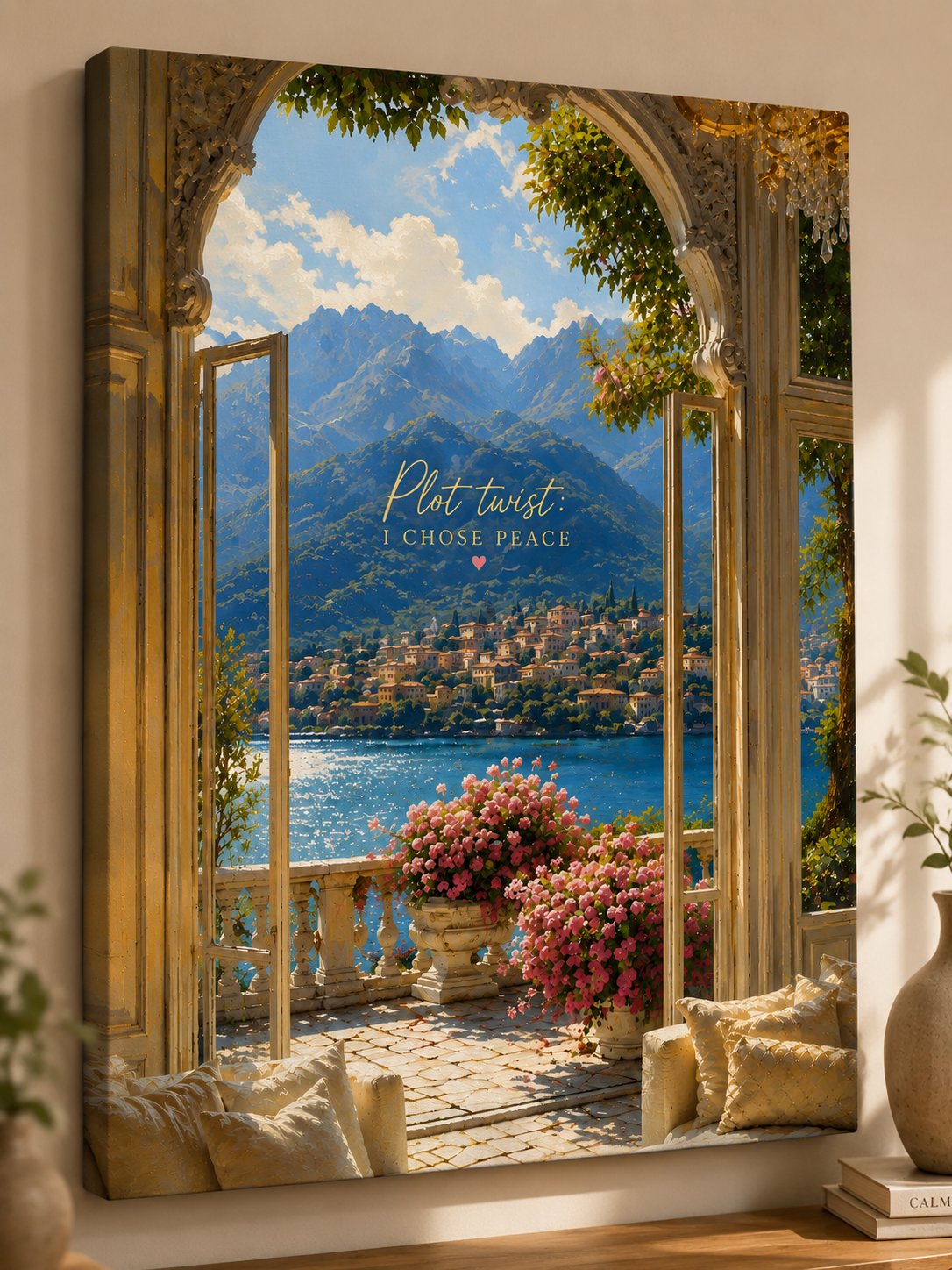
Rivers, waterfalls, and gentle ocean scenes belong, traditionally, to the water element of the north-east. Flowing (not stagnant) water is the key detail practitioners emphasise — it symbolises the smooth flow of opportunities. A waterfall or calm-sea canvas in the living room or near the entrance is a classic Vastu-compliant pick.
06Symbols of harmony — peacocks, florals, pairs
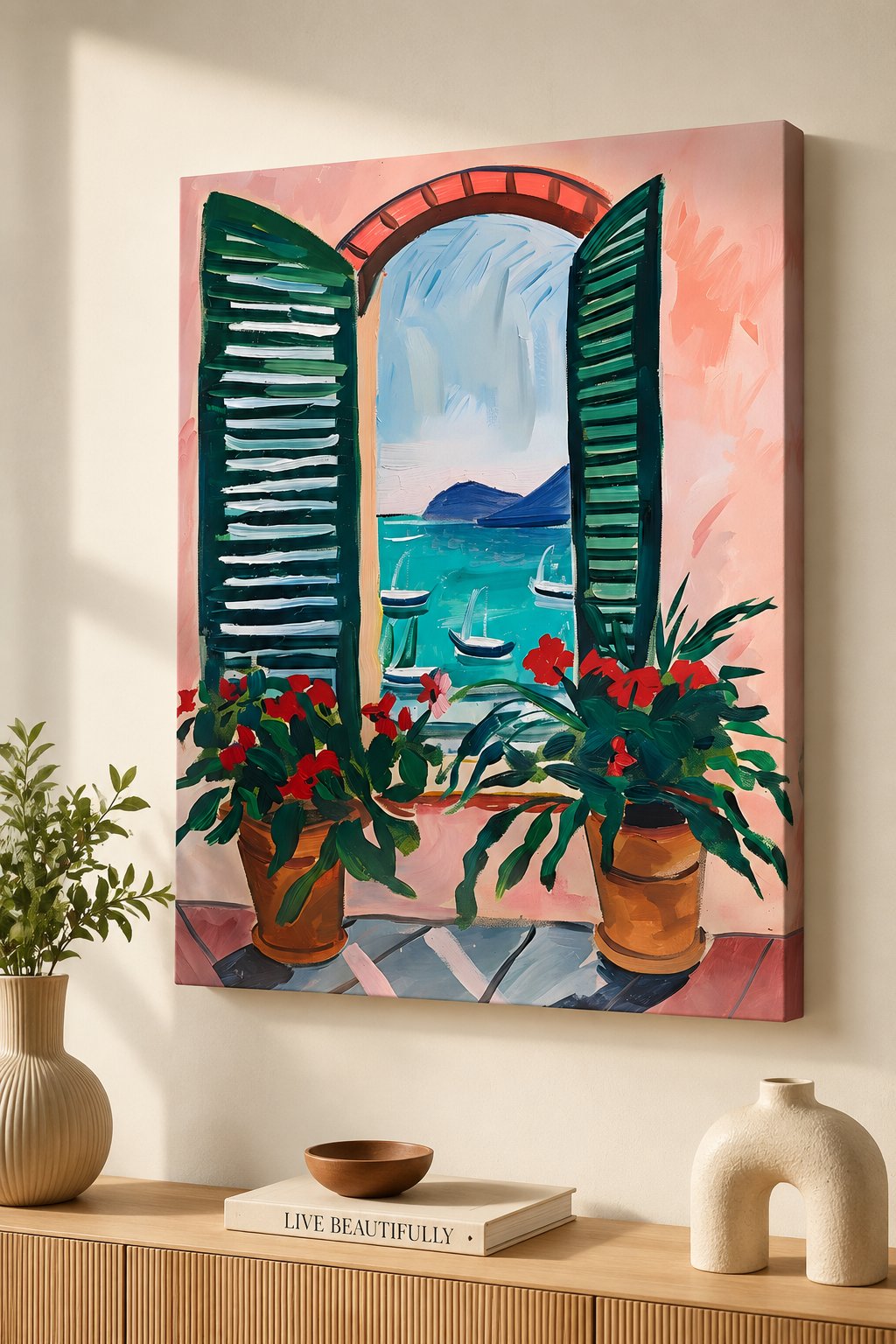
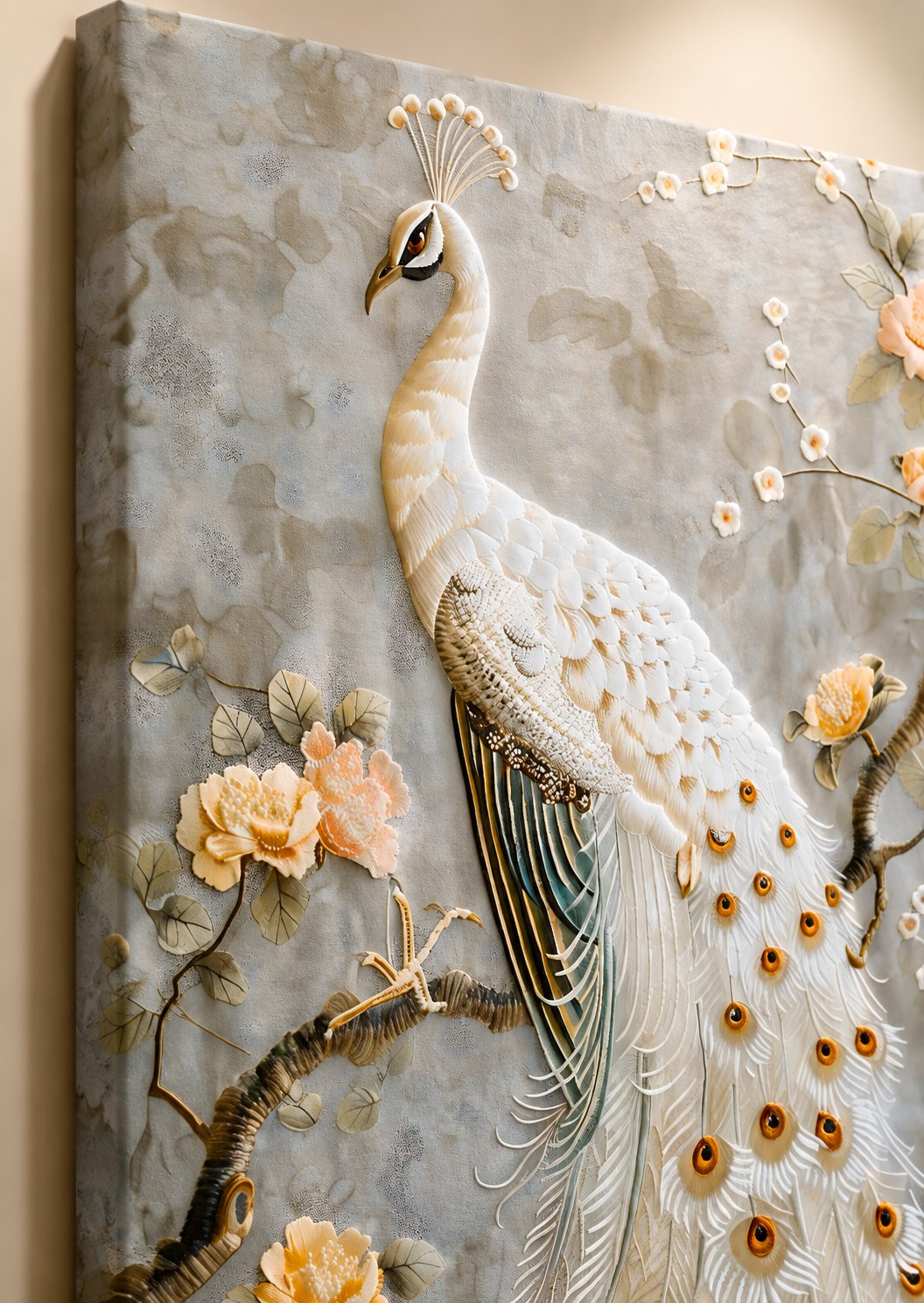
Some motifs carry meaning beyond their element. The peacock, India’s national bird, is traditionally associated with grace and good fortune — a peacock canvas suits living rooms and hallways. Blooming flowers suggest growth and are safe almost anywhere. Pairs — two birds, two deer — are traditionally linked with companionship and suit bedrooms. The famous seven running horses, from Surya’s chariot in traditional lore, are a long-standing favourite for living rooms and studies, symbolising speed and success; tradition suggests they face inward, into the home.
07Quiet corners — spiritual art
For a pooja room, meditation corner, or reading nook, meditative and spiritual imagery — serene faces, temple motifs, sacred geometry — supports the calm those spaces are meant to hold. This is where Prizt’s dedicated spiritual collection earns its place.
08What to avoid: the traditional don’ts
Traditional Vastu guidance is just as specific about what not to hang. The logic is consistent — avoid imagery that depicts suffering, conflict, or decay. The five most common pieces of guidance are below.
09Five things traditional Vastu steers away from
- War scenes, weapons, or violent imagery — traditionally said to bring restlessness into a home.
- Weeping, lonely, or visibly suffering figures — keep the emotional tone of your walls uplifting.
- Thorny, dried, or withered plants — choose blooming, living greenery instead of cactus close-ups or dead-tree photography.
- Wild, aggressive animals — particularly in bedrooms, where the mood should be restful. A tiger portrait might suit a study better than a sleep space.
- Dark, chaotic abstracts in rest areas — abstract art is not banned by any serious reading of the tradition; the question is whether its energy matches the room.
10Living room: your highest-impact wall
The living room is where most people begin their search for Vastu art for living room spaces. Go large and luminous: a sunrise on the east wall, a waterfall canvas for the north side, or seven horses facing inward. Prizt’s 30% off on 2+ artworks pays off here — a statement piece plus a smaller companion on the adjacent wall creates a composed gallery feel.
11Bedroom, entrance and study
- Bedroom: calm wins. Moonlit landscapes, pairs of birds or deer, and soft florals in gentle colours; skip anything aggressive or melancholic.
- Entrance and foyer: blooming flowers, a sunrise, or flowing water near a north-east entrance — welcoming and bright, never dark or heavy.
- Home office and study: mountains behind your desk, seven horses or an eagle for ambition, and sunrise imagery for fresh thinking.
12Colour guidance by direction
Colour is the quickest way to nudge a room toward its direction’s element. You do not need to repaint — a canvas in the right palette does the job, which is why wall art is the easiest Vastu adjustment you can make.
13Colours for each direction
- North-east: blues, aqua, whites, light greens — water and clarity.
- South-east: warm accents — terracotta, warm orange, soft reds — in moderation.
- South-west: earthy tones — beige, sand, warm browns, muted yellows.
- North-west: whites, creams, light greys — airy and light.
- East: fresh greens and warm morning tones — sunrise palettes.
14Choosing the right canvas for Vastu art
- Finish matters — matte finishes do not throw glare from tube lights or diyas. Prizt’s canvases are gallery-wrapped on pine wood with a matte finish.
- Size for the wall — a large living-room wall needs a statement size; a bedroom suits medium formats. Canvas prints start around ₹559 for 12×18, and posters start at ₹210.
- Buy in pairs where it counts — with 20% off single artworks and 30% off 2+, a sunrise for the east wall plus a serene pair for the bedroom becomes genuinely economical.
- Delivery — pan-India delivery means the same print quality whether you are in Mumbai or Madurai.
15Frequently asked questions
Traditional guidance favours welcoming, abundant imagery: blooming flowers, a sunrise, or flowing water — especially near a north-east-facing entrance. Keep the palette bright and the mood uplifting; avoid dark, heavy, or aggressive art at the door.
Start with a piece you love
Every Prizt canvas is printed on premium canvas in India and arrives in protective 4-layer packaging — so what lands on your wall is exactly what you picked.
Keep reading
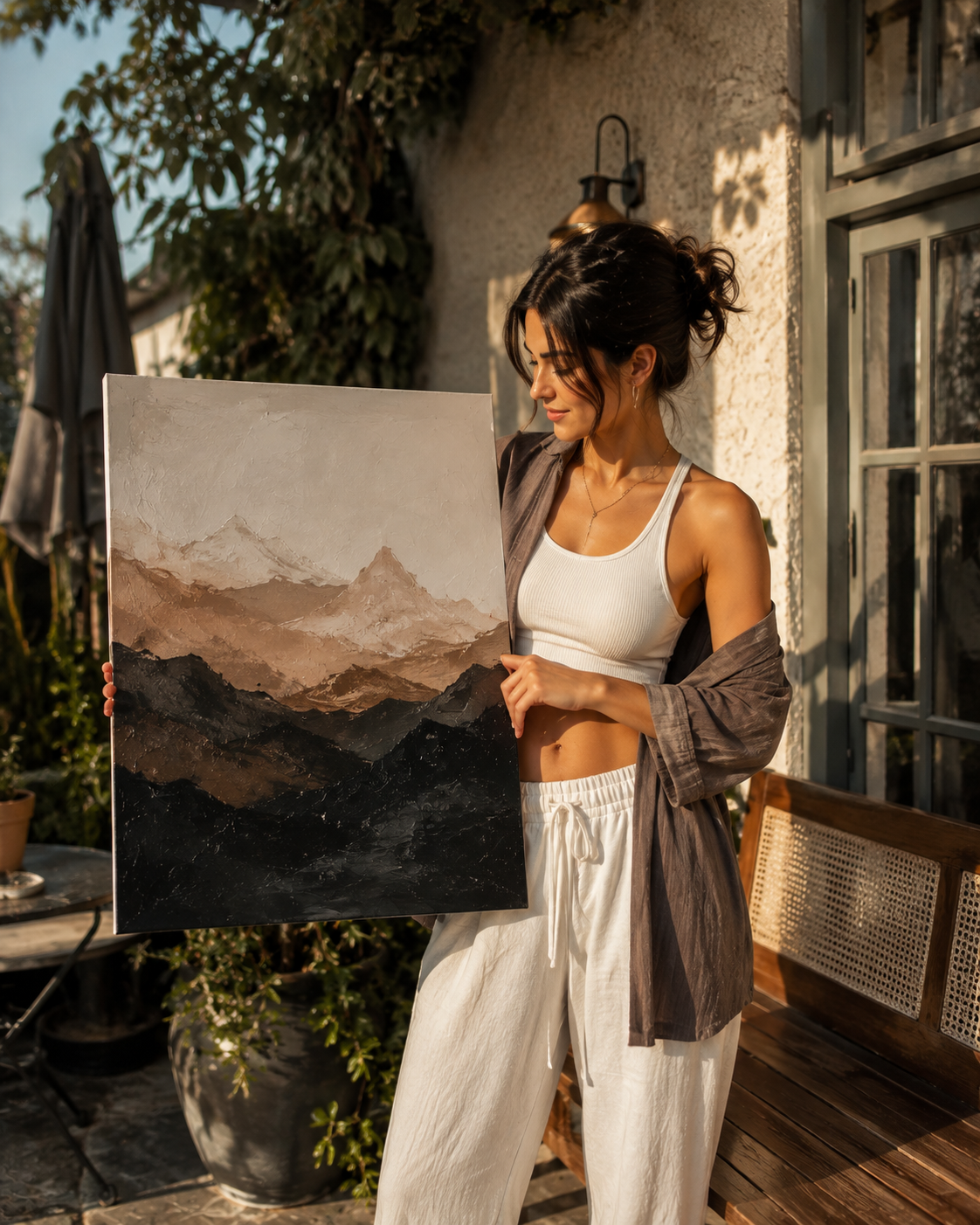
Canvas Print Size Guide: Choosing the Right Size for Every Room
Not sure which canvas size fits your wall? Here is how to match our 8 canvas sizes to the room, wall, and look you want.
What Is Eco-Solvent Canvas Printing? Why Premium Canvas Beats Posters & Flex
Eco-Solvent printing uses low-VOC inks on real canvas for rich, durable, gallery-quality art. Here is why it beats posters, flex, and paper prints.
Rolled vs Stretched Canvas: Which Should You Choose?
Rolled ships flat for local framing; Stretched arrives ready to hang on a quality frame. Here is how to decide.
Gallery-Wrapped Canvas: The New Wall Art — Better Than Paper, Glass & Resin
Paper posters, glass frames and resin-coated paintings are yesterday’s wall art. See why gallery-wrapped canvas is the future — frameless, fade-resistant and ready to hang.
How to Choose Wall Art for Your Room: Style, Size & Placement
From living rooms to pooja rooms, here is how to pick wall art that fits your space, your style, and your wall.
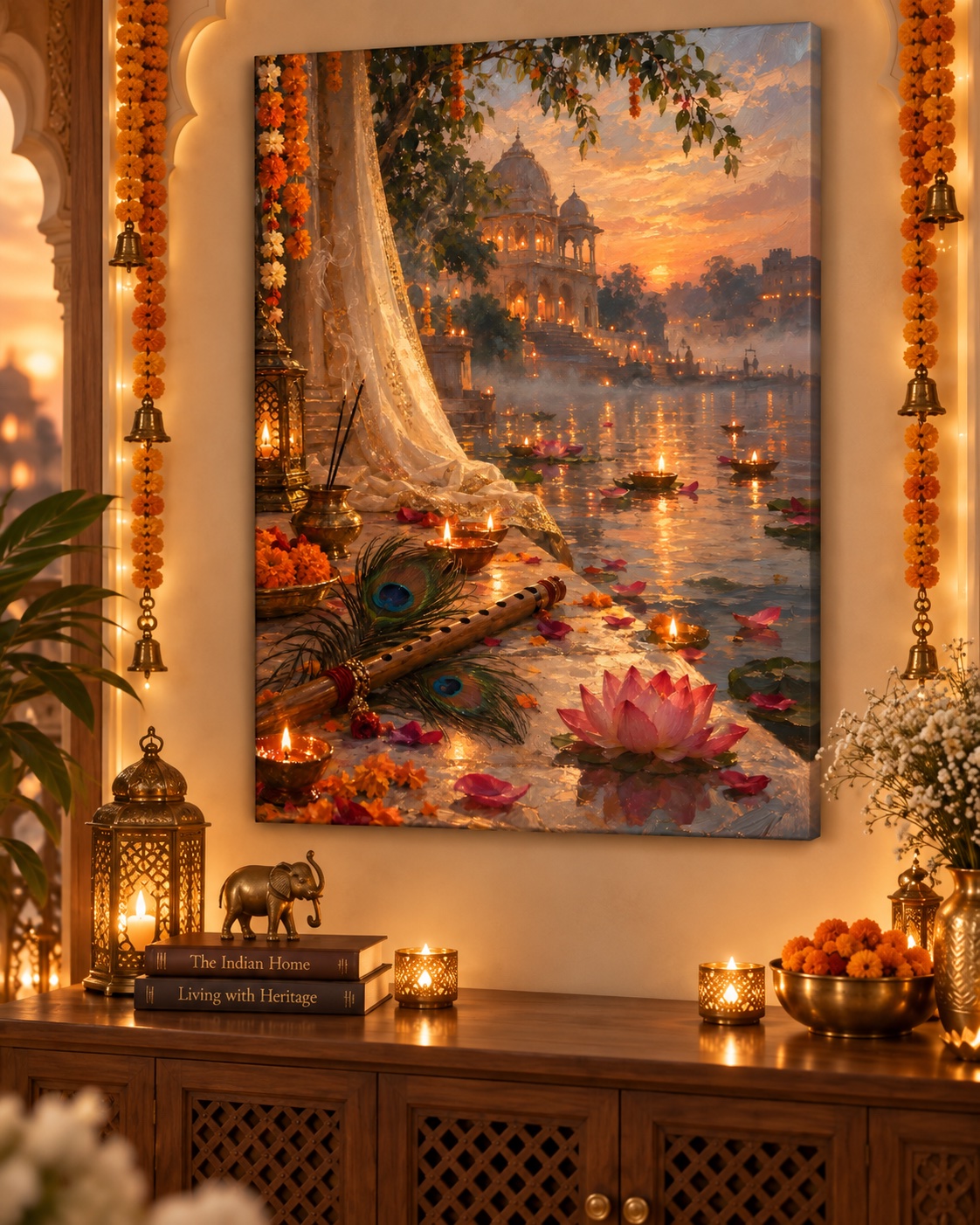
Diwali Gift Guide 2026: Canvas Wall Art, the Gift That Outlives the Mithai
Every Diwali, the same parade: a box of mithai, a tin of dry fruits, maybe a set of diyas. If you want your gift to still be on their wall next Diwali, give them art — here is how to pick the right piece for everyone on your list.
Printed on premium canvas, made in India. Browse the collection